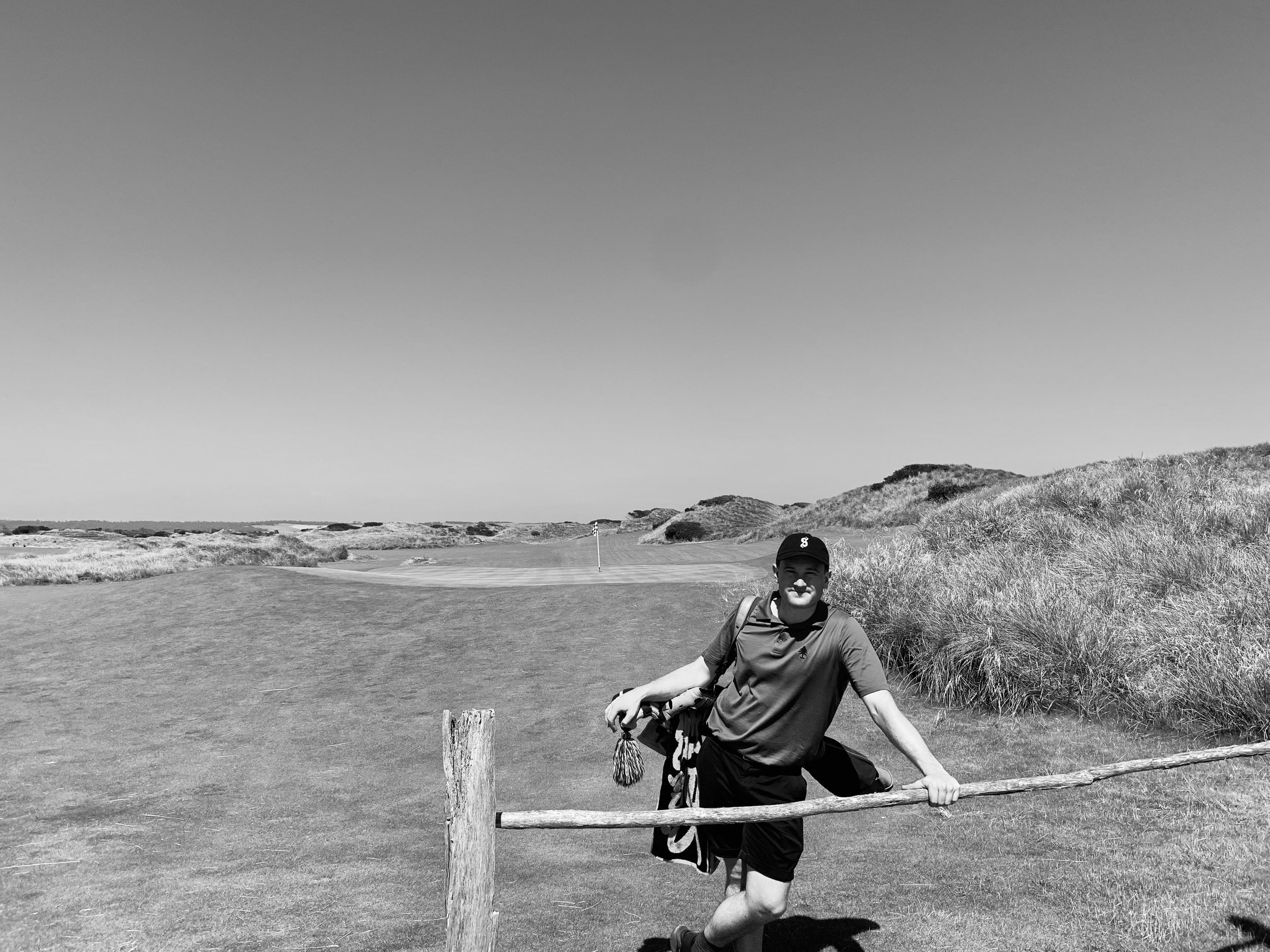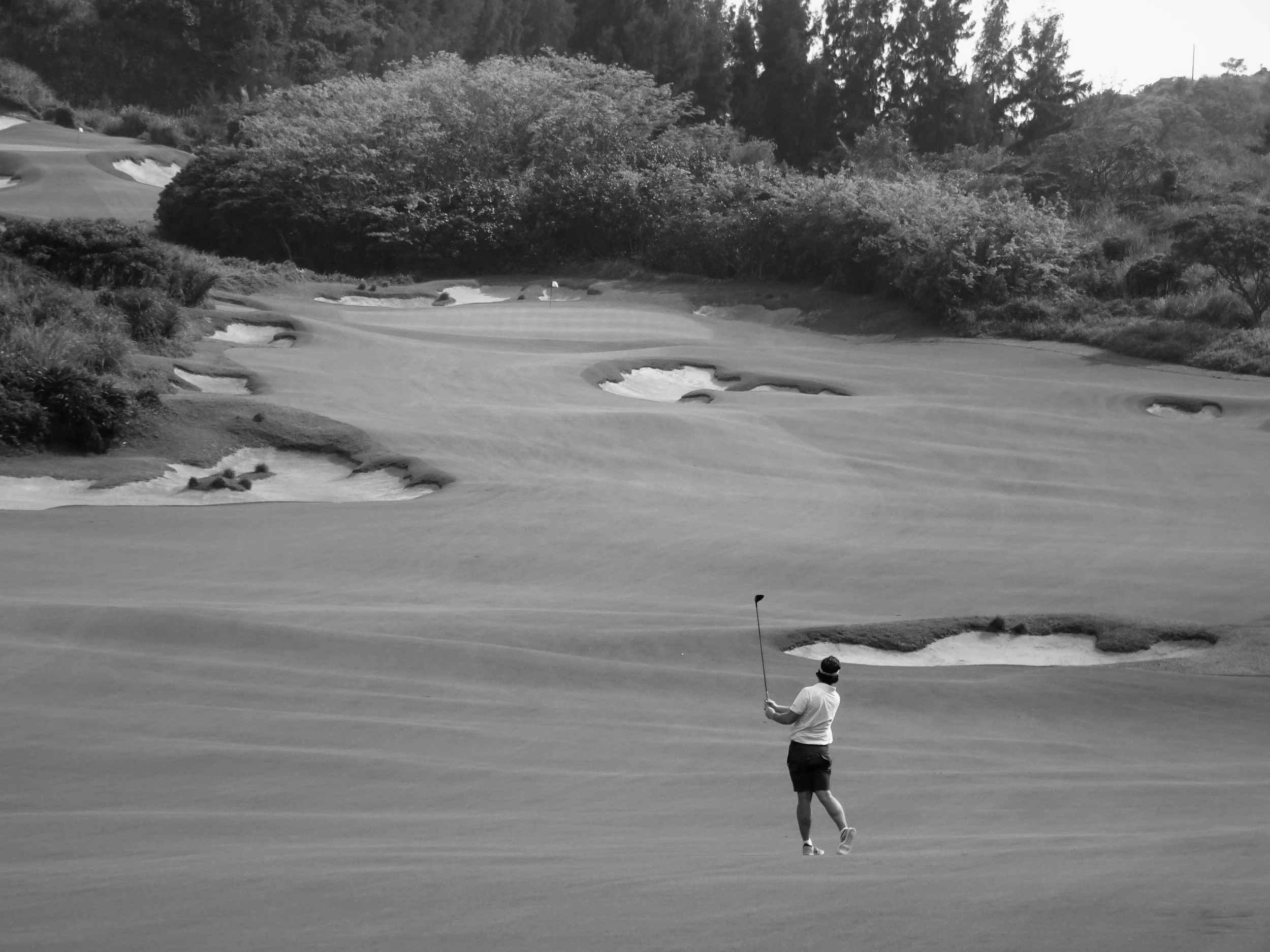
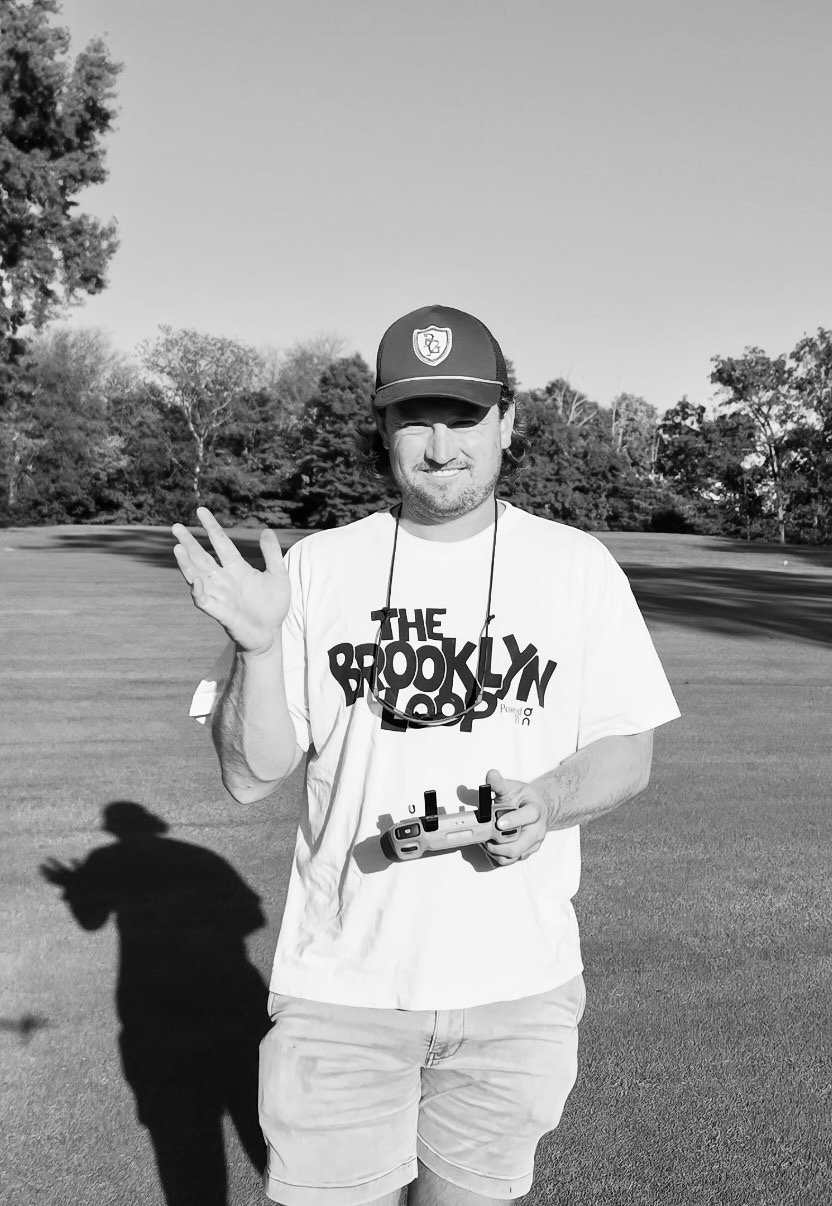
About Me
‘Golf has never been the destination. It's been the lens through which I've learnt to understand landscape, design and the communities that shape both.’
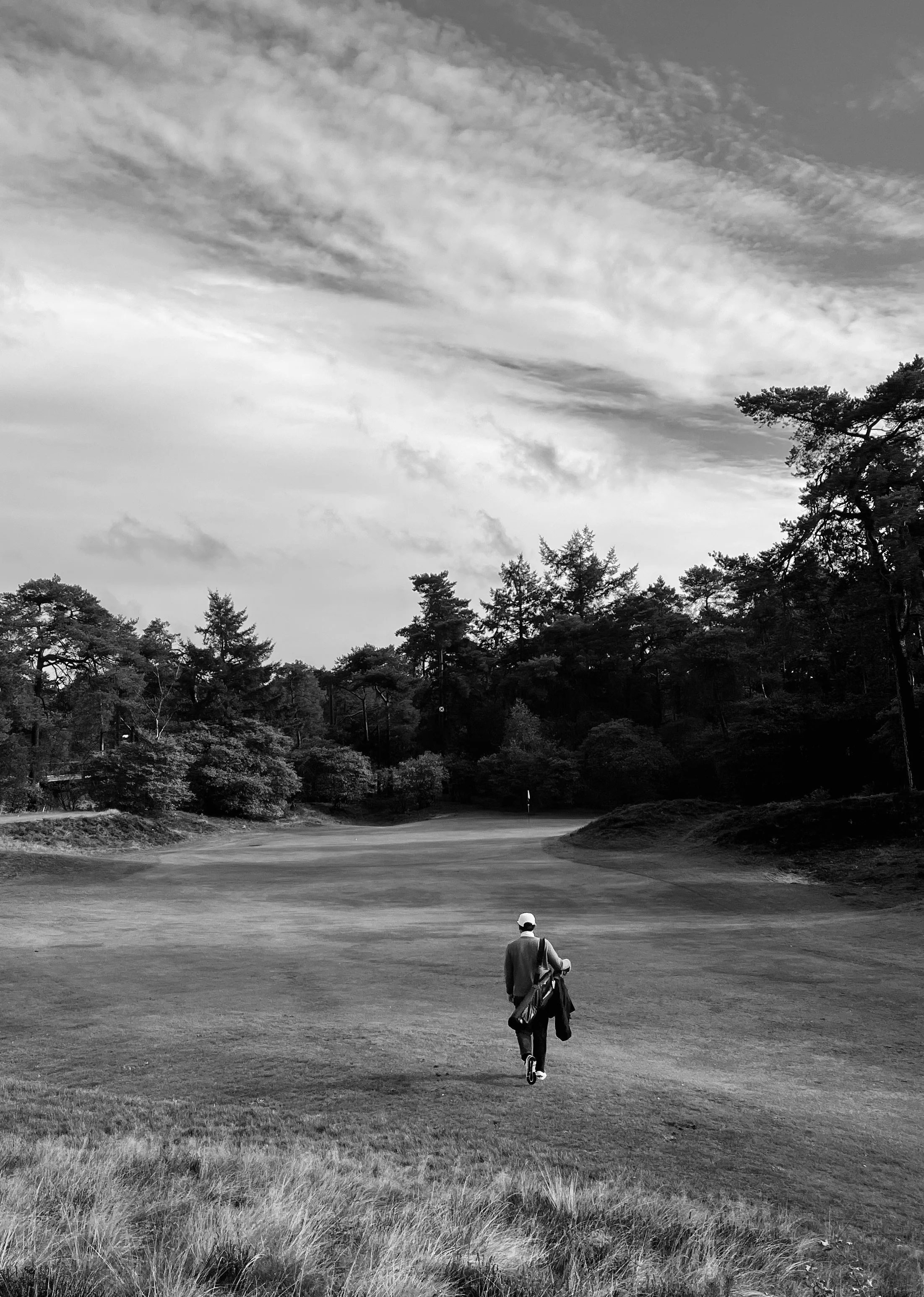
Golf has always fascinated me because it refuses to exist in isolation.
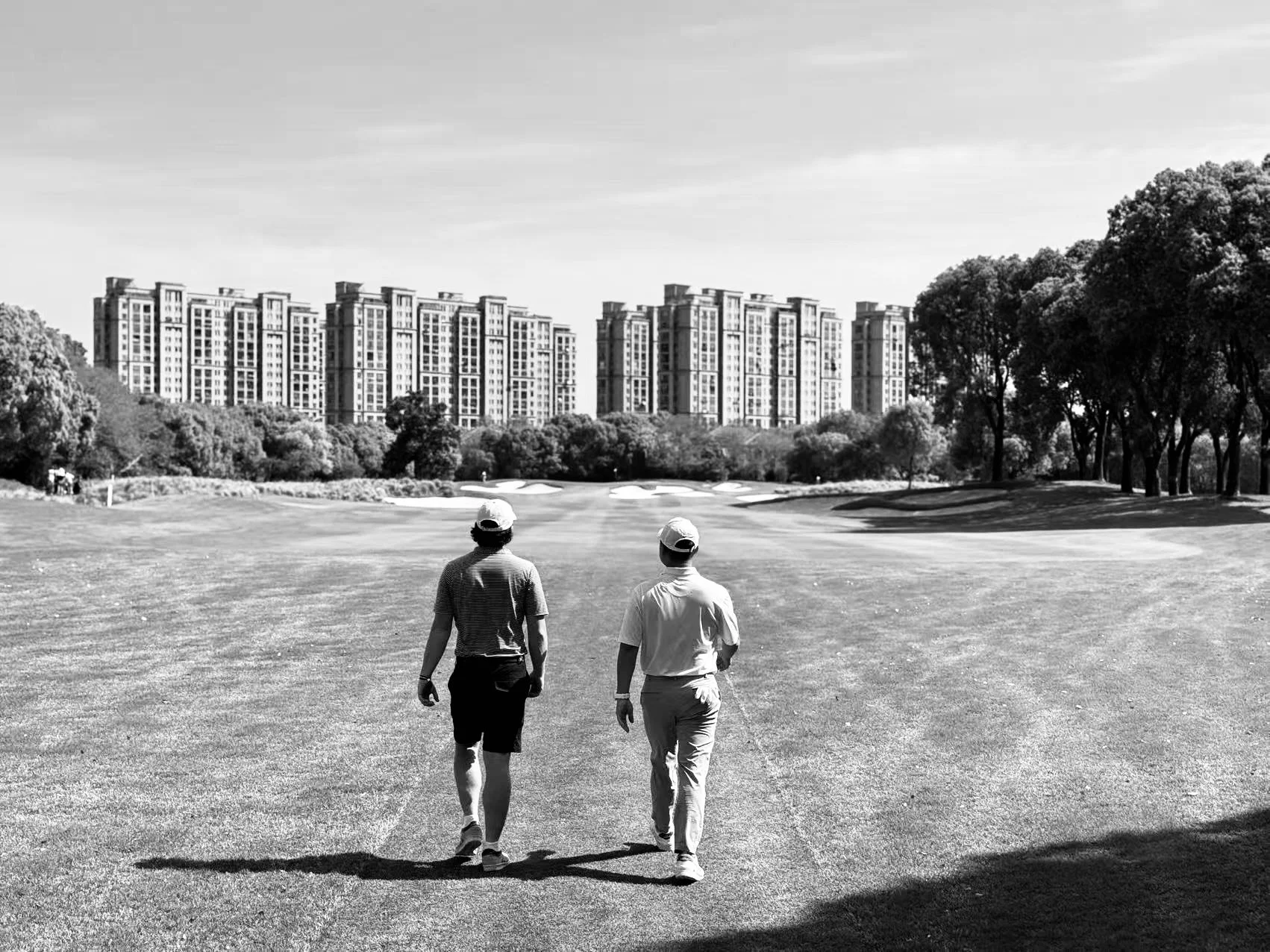
It occupies coastlines, farmland, cities, deserts and mountains. It sits beside neighbourhoods, rivers and forests. It reflects the history, culture and economics of the communities that surround it, while quietly influencing them in return. Few designed landscapes are asked to do so much. They are sporting venues, public spaces, ecological systems, businesses, pieces of local identity and, in many cases, places that people return to for generations.
Understanding those relationships has become the foundation of my work.
I was raised in Melbourne, Australia, where the game first captured my imagination at Croydon Golf Club. What began as a fascination with playing quickly became a fascination with place. Why did one course feel so different from another? Why could a bunker, a line of trees or a subtle change in topography influence not only the strategy of a hole, but the way an entire property was experienced?
Those questions eventually led me to study landscape architecture with a focus on golf course design. Since then, my work has taken me across Australia, New Zealand, Asia, Europe and North America, contributing to golf course restorations, renovations, master planning, branding and visual communication for clubs of every scale.
While golf course architecture remains at the centre of what I do, I've never viewed it as a discipline that stands alone. My work extends into graphic design, mapping, digital illustration, writing and photography because each offers another way to understand and communicate a place. Together they create a more complete picture of a golf course and its relationship with the landscape, its members and its wider community.
I believe the best projects begin long before a plan is drawn.
They begin with observation. Understanding the land, the people who use it, the history that shaped it and the role it plays within its region. Every course exists within a much broader landscape, physically and culturally. The design should acknowledge that reality rather than compete with it.
Whether I'm restoring a historic golf course, developing a club's visual identity, producing construction drawings or writing about architecture, I'm ultimately pursuing the same objective: helping places express their character with clarity, restraint and purpose.
Golf is simply the lens through which I explore a much bigger subject.
The designed landscape, and our relationship with it.